Newsletter
Keep your landscapes pristine and beautiful with Enumclaw Landscape Maintenance Service. Stay updated on tips, seasonal guides, and exclusive offers to maintain your property effortlessly.
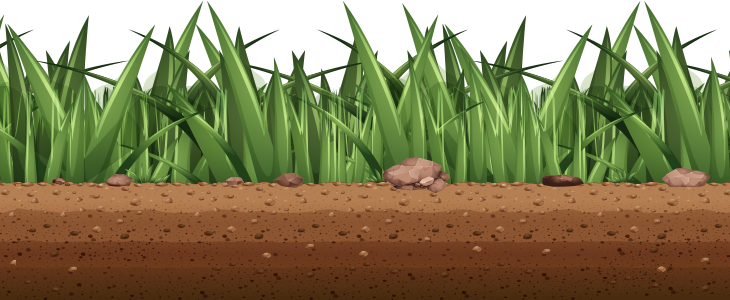
Pressure Washing 101
Pressure washing is one of the most effective and satisfying ways to clean and refresh outdoor surfaces, restoring their original beauty and extending their lifespan. From removing stubborn dirt and grime to eliminating mold and mildew, pressure washing can transform your property, making it look like new again. Whether you’re tackling your driveway, deck, siding, or patio, mastering the basics of pressure washing ensures your outdoor spaces stay clean, safe, and visually appealing.
Understanding how pressure washing works is the first step. A pressure washer uses high-pressure water to dislodge dirt and debris from surfaces, often with the help of detergents for added cleaning power. There are two main types of pressure washers: electric and gas-powered. Electric models are ideal for light to moderate cleaning tasks, while gas-powered units deliver more power for heavy-duty projects. Choosing the right type of pressure washer depends on the surfaces you’ll be cleaning and the level of grime you need to remove.
Preparation is key to successful pressure washing. Begin by inspecting the area you plan to clean. Remove any loose debris, furniture, or obstacles that could get in the way. Cover nearby plants, electrical outlets, and sensitive materials to protect them from high-pressure water and cleaning solutions. It’s also important to wear safety gear, including goggles, gloves, and sturdy footwear, to protect yourself from flying debris and potential slips.
Selecting the appropriate nozzle is crucial for achieving the best results without damaging surfaces. Pressure washers come with different nozzle tips, each designed for a specific purpose. A wide-angle nozzle is ideal for gentle cleaning, while a narrow-angle nozzle delivers more pressure for tough stains. For delicate surfaces like wood or siding, use a low-pressure nozzle to avoid damage. When in doubt, start with a wider spray pattern and adjust as needed.
When pressure washing, technique matters. Hold the pressure washer nozzle at a consistent distance from the surface—typically 6 to 12 inches—to ensure even cleaning. Move the nozzle in smooth, overlapping strokes, working in sections to cover the area thoroughly. Avoid holding the spray in one spot for too long, as this can cause streaking or damage. For vertical surfaces, start at the bottom and work your way up to prevent streaking, then rinse from the top down.
Using the right cleaning solution can enhance the effectiveness of your pressure washer. For most tasks, a mild detergent mixed with water is sufficient to break down dirt and grease. Specialized cleaners are available for specific surfaces, such as wood, concrete, or vinyl siding. Always check the manufacturer’s instructions and test a small, inconspicuous area before applying the solution to the entire surface. After applying detergent, let it sit for a few minutes to loosen dirt before rinsing thoroughly with clean water.
Different surfaces require different approaches to pressure washing. Concrete driveways and sidewalks can handle high pressure, making them easier to clean thoroughly. Wooden decks, on the other hand, require a gentler touch to prevent splintering or damage. Vinyl or aluminum siding should be cleaned with a wide spray pattern to avoid dents or scratches. For delicate surfaces like glass, use low pressure and a soft-bristle brush for added care.
Maintenance is essential for keeping your pressure washer in top condition. After each use, flush the system with clean water to remove detergent residues and prevent clogging. Check the hose, nozzle, and connections for any signs of wear or damage, and replace parts as needed. Proper storage, such as draining water from the unit and storing it in a dry, protected area, helps prolong the life of your pressure washer.
Pressure washing offers numerous benefits beyond aesthetic improvement. Regular cleaning helps prevent the buildup of mold, mildew, and algae, which can cause health concerns and structural damage. Clean surfaces are also safer, as they reduce the risk of slips and falls caused by moss or grime. Moreover, pressure washing can increase your property’s curb appeal and resale value, making it a worthwhile investment for homeowners.
Whether you’re preparing for a special event, tackling seasonal maintenance, or simply sprucing up your property, pressure washing is a powerful tool to achieve impressive results. By following these tips and techniques, you can confidently take on any cleaning project and enjoy the satisfaction of a spotless, revitalized space. With a little effort and the right approach, your outdoor surfaces can shine like new, adding beauty and value to your home.






find cannabis for sleep products that promote natural rest
https://shorturl.fm/6mncT
https://shorturl.fm/CNOUK